







Search Results for: coffee differences

Same Beans, Different Taste? An In-Depth Analysis of the Extraction Differences and Flavor Comparison Between Cold Brew Coffee and Iced Pour-Over
Many coffee enthusiasts have wondered: why do cold brew and iced pour-over made from the same coffee bean taste so different? Front Street Coffee once conducted a comparative experiment with Huakui 8.0, and the results were surprising. This article will systematically analyze the core differences between cold brew coffee and pour-over coffee from the perspectives of extraction water temperature, extraction method, and concentration changes, explaining why low-temperature slow extraction brings a rounder acidity, a fuller body, and a unique fermented aroma, while high-temperature fast extraction retains richer aromatic layers. If you also want to understand the essential difference between these two brewing methods, read on. [more…]
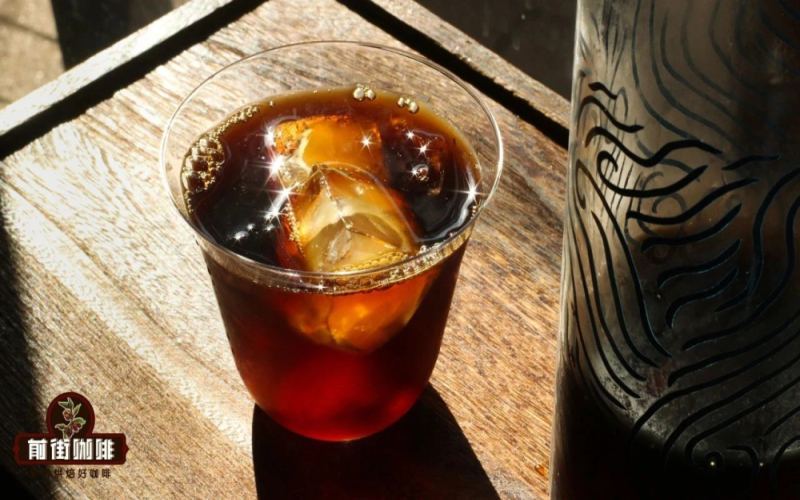
Why Do the Same Beans Taste So Different? A Deep Dive into the Extraction Differences Between Cold Brew and Pour-Over Coffee
Many coffee enthusiasts at Front Street stores order both a cold brew and an iced pour-over made from the same beans, yet are often surprised by the huge gap in flavor between the two after drinking them. Why does the same coffee bean produce such an obvious difference in the resulting cup? This article will systematically sort out the core differences in brewing principles between cold brew and pour-over from multiple dimensions such as extraction water temperature, extraction method, and concentration differences, and combine a comparative experiment conducted by Front Street using Huakui 8.0 to help you understand the taste expressions brought by low-temperature slow extraction and high-temperature fast extraction, as well as the scientific logic behind these differences. [more…]

Only tasting bitterness in your coffee? Master this sensory training method to easily distinguish the flavor differences between different coffees.
Many people drink coffee every day, yet they can only ever taste bitterness and find it hard to distinguish the flavor differences between different beans. In fact, tasting ability is not innate—through scientific and systematic sensory training, everyone can gradually discern the unique tastes of coffees with different roast levels, from different regions, and processed by different methods. This article will share a practical set of tongue training methods, from buying coffee and brewing comparisons to recording taste impressions, to help you gradually improve your sensitivity of taste and smell. It will also remind you of precautions during training, such as keeping your nasal passages clear and the importance of quitting smoking. As long as you keep practicing, you will find that the world of coffee is far richer and more wonderful than you imagined. [more…]
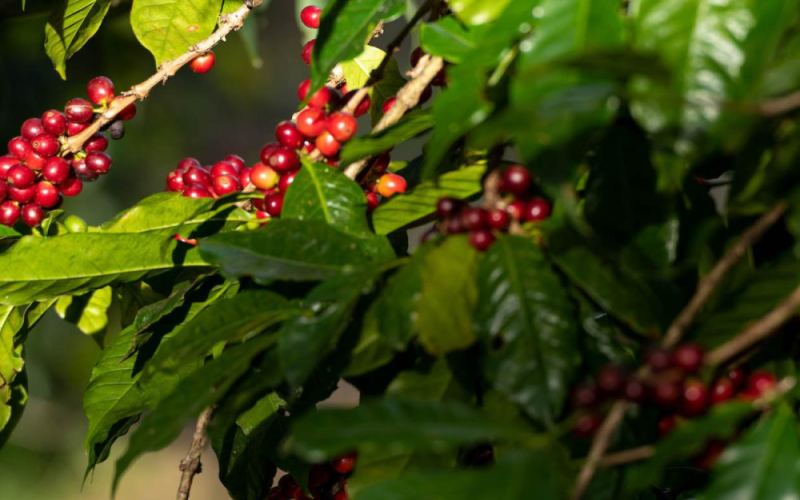
Where Does the Geisha Flavor Come From? An Analysis of the Variety, Origin, and Processing Differences Between Ethiopian and Panamanian Geisha
Geisha coffee has won over coffee lovers worldwide with its jasmine, citrus acidity, and honey-like body, but not every coffee called Geisha delivers the signature "Geisha flavor." This article systematically analyzes the root causes of the flavor differences between Ethiopian Geisha and Panamanian Geisha from three dimensions—varietal genetics, growing origin, and green bean processing—and includes Front Street Coffee's Geisha brewing suggestions and parameter demonstration to help readers understand why coffees sharing the name Geisha can taste so strikingly different. [more…]
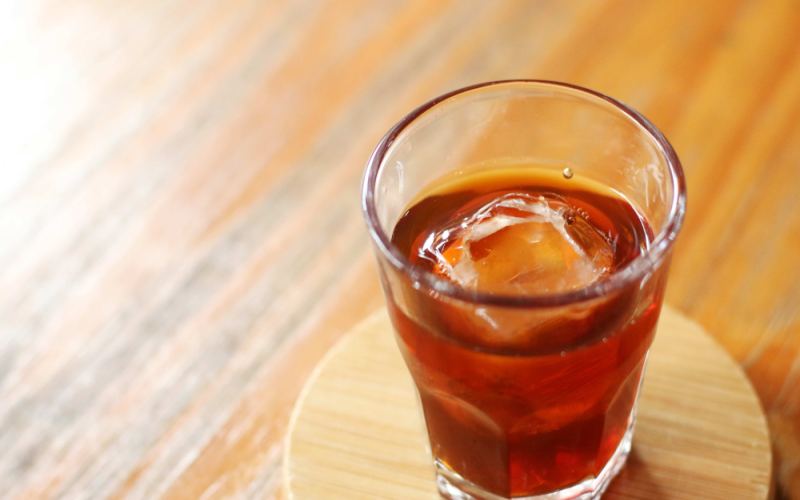
How Is Ice Drip Coffee Different from Cold Brew? A Comprehensive Analysis from Brewing Methods to Flavor Differences
Many customers who come to Front Street Coffee for a drink often ask whether iced drip coffee and cold brew coffee actually differ in taste. Although both fall under the category of cold-brewed coffee, their extraction methods and the final flavors they present are completely different. Iced drip coffee relies on ice water slowly dripping through the coffee grounds, takes a long time, and requires specialized equipment; cold brew coffee, by contrast, uses cold water to directly soak the coffee grounds, making it relatively simple to prepare. Starting from Front Street's actual brewing parameters, this article will compare in detail the specific differences between these two cold coffees in production process, final product form, and flavor performance, and use a light-roast washed Yirgacheffe as an example to show the different flavor directions of the same bean under the two methods. [more…]

Why does the same cup of Americano taste so drastically different when enjoyed hot versus iced?
The recipe for an Americano looks simple enough—just espresso diluted with water. But what's interesting is that merely switching the water from hot to iced makes it taste like two completely different drinks. A hot Americano is steady and full-bodied, while an iced Americano is crisp and lively—even the flavor direction shifts. The reason behind this doesn't lie in differences in extraction method, but in how temperature affects our sense of taste and smell. Starting from a hot-versus-cold comparison of Front Street Coffee's Warm Sun blend, this article walks you through why hot and iced Americanos can develop such distinctly different styles, and why this difference naturally divides coffee lovers into two camps. [more…]
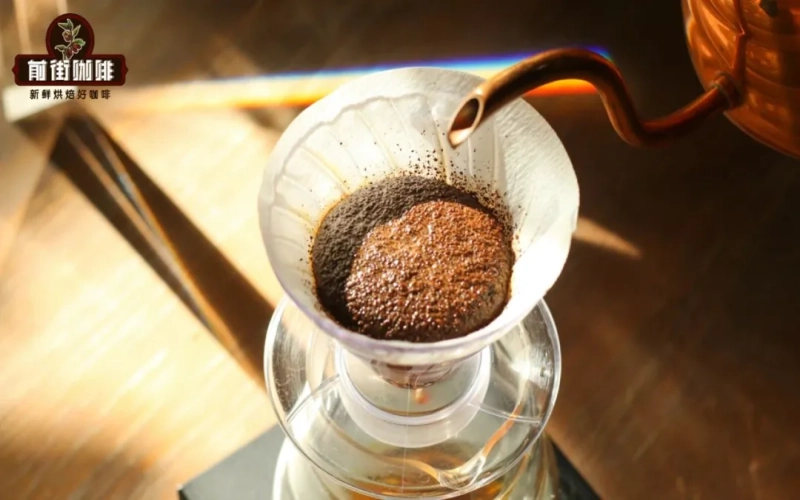
How Do Pour-Over Coffee Bed Depth and Shape Influence Flavor? A Detailed Explanation of the Differences Between Flat-Bottom Drippers and Conical V60
In the world of pour-over coffee, the shape of the coffee bed is often overlooked, yet it profoundly influences the final flavor expression. Starting from cases previously shared by Front Street Coffee, this article systematically sorts out the specific effects of coffee bed thickness and shape on extraction efficiency, stability, and coffee taste. You will learn why the same beans present completely different layers or balance in different drippers, and also understand why every dripper has a recommended dose. Through a comparative brewing example of Front Street Coffee Ethiopia Huakui, we will intuitively see the flavor differences brought by conical drippers and flat-bottom drippers, helping you understand more thoroughly the logic behind dripper selection, so you can brew a good cup of coffee more confidently. [more…]
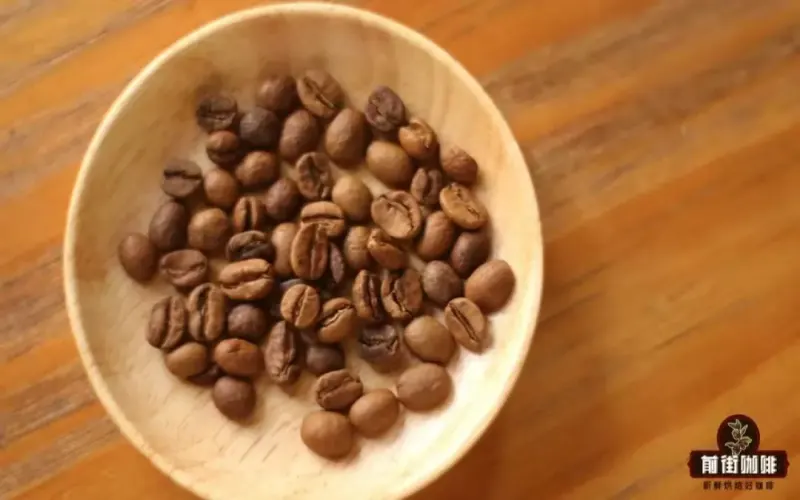
Where does the color variation in coffee beans come from? Why do honey processing and anaerobic processing cause uneven shades on the bean surface?
Coffee enthusiasts often notice that the coffee beans they buy vary in color from light to dark, and suspect a roasting problem. In fact, in most cases the color variation is not a roasting accident—it may actually mean the beans can brew into a richer, more layered cup. As an agricultural product, coffee beans can never be as uniform as an industrial product. This article starts from the common questions received by Front Street Coffee's customer service to explain how factors such as the uneven size of Ethiopian beans, residual pectin sugars in honey processing, and anaerobic processing cause color variation in coffee beans—and why this variation is sometimes a plus for flavor. [more…]
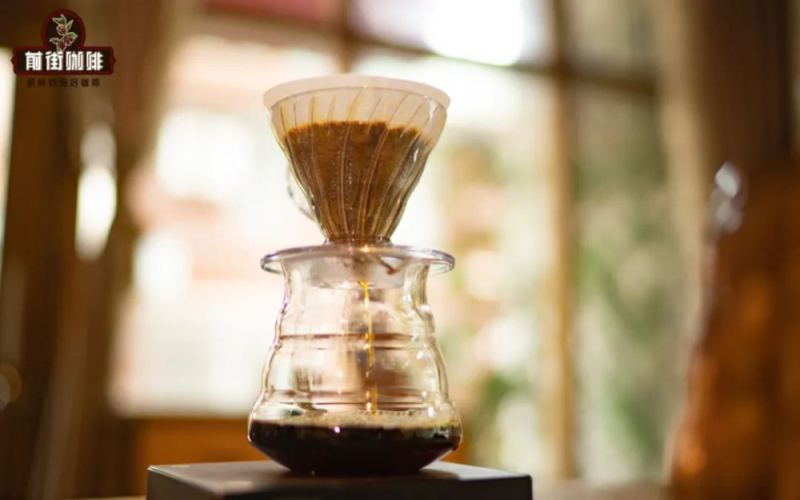
How Does Filter Cone Material Affect Coffee Extraction? Analyzing Brewing Differences Through Thermal Conductivity and Specific Heat Capacity
Coffee filter cups on the market come in a wide variety of materials—resin, glass, ceramic, and metal each have their own fans—but what real impact do different materials actually have on brewing? Many people's first thought is the price difference, but setting aside cost, the most core difference between materials lies in their ability to control temperature. Thermal conductivity determines how quickly heat is transferred, while specific heat capacity relates to how much heat an object can store. Together, these two physical parameters directly change the temperature performance of hot water during the extraction process. Metal conducts heat fastest but also dissipates it quickly; ceramic has a high specific heat capacity but needs thorough preheating; glass performs mildly; and resin, because it absorbs heat slowly, has almost no effect on water temperature. In this article, Front Street Coffee will break down the characteristics of four common filter cup materials one by one, and combine them with the actual differences in flow rate among V60 versions made of different materials, to help everyone understand why you cannot simply copy extraction formulas from the internet, but should instead flexibly adjust your brewing strategy according to the material of the filter cup in your hands. [more…]

Luckin's Raw Cheese Latte Accused of Price Discrimination, Official Response Cites Comprehensive Factors
For professional coffee knowledge exchange and more coffee bean information, please follow Coffee Workshop (WeChat public account: cafe_style) For more specialty coffee beans, please add the personal WeChat of Front Street Coffee (FrontStreet Coffee), WeChat ID: qjcoffeex Recently, Luckin Coffee has been thrust into the spotlight over price discrepancies for its cheese latte. Some consumers reported that the same drink was priced vastly differently across accounts, ranging from 9.9 yuan to 18 yuan, sparking allegations of "big data price discrimination against existing customers." Luckin officially responded that the price differences stem from store operating costs and randomly issued system discounts, denying any price discrimination. However, this is not the first time Luckin has fallen into such controversy; as early as 2021, the media exposed similar cases. This article will sort through the course of the incident, the views of various parties, and the industry background, to explore the issue of price fairness in online consumption. [more…]

Cappuccino Dry vs. Wet Differences and the Golden Ring Method: A Complete Analysis from Ratios to Latte Art Evolution
When ordering a cappuccino at a coffee shop, regulars often ask for it to be made "dry," and behind this lies the historical evolution of different versions of cappuccino. The core difference between a dry cappuccino and a wet cappuccino lies in the ratio of milk to milk foam: the former has thick foam and less milk, giving a more intense coffee flavor; the latter has thinner foam and more milk, giving a silkier mouthfeel. Through an actual brewing comparison using Front Street Coffee's classic Italian blend, this article explains in detail the differences between the two types of cappuccino in terms of ratio, taste, and mouthfeel, and explains why the mainstream approach shifted from the dry version to the wet version—the rise of latte art was the key driving force. If you also want to recreate the old-school coffee golden ring at home, or want to understand the difference between a latte and a cappuccino, this content will give you clear answers. [more…]
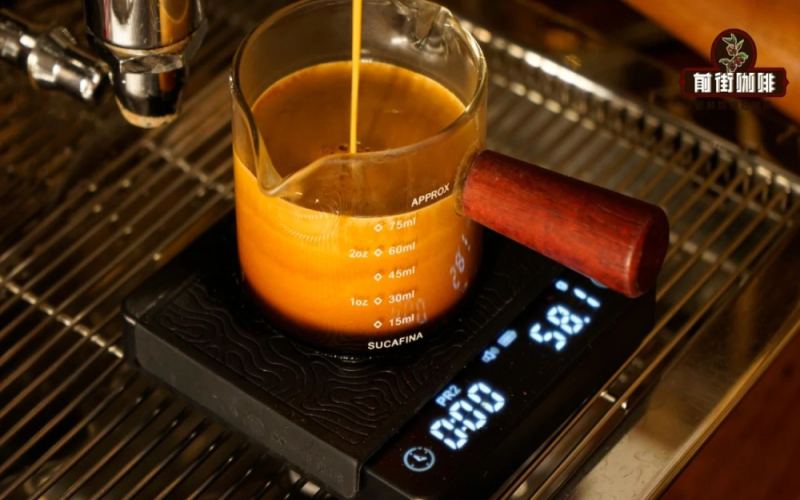
An Analysis of Flavor Differences Between Light, Medium, and Dark Coffee Bean Roasts: Taste Characteristics and Selection of Specialty Coffee at Different Roast Levels
Green coffee beans themselves have no obvious aroma or flavor; only through roasting can they release their alluring flavors. Roasting time, temperature, method, and even the roaster's experience all have a subtle impact on the final taste in the cup. From light to dark roast, coffee beans differ in color, acid-bitterness balance, and aroma layers, and the suitable brewing methods and drinking preferences vary greatly. In this article, Front Street Coffee will systematically sort out the flavor differences among light, medium, and dark roasted coffee beans, and, combined with specific origin cases, explain how roasters choose curves based on bean characteristics, as well as the effects of different roast levels on coffee chemical compounds and the final taste, helping coffee enthusiasts more clearly understand the relationship between roasting and flavor. [more…]

American Coffee: Add Water First or Espresso First? Analyzing the Order Difference and the Real Distinction from Long Black
Should you pour the water first or the espresso first for an Americano? This question seems simple, yet it involves the essential difference between a Long Black and an Americano, the evolution of service efficiency, and the practical differences in taste and appearance. Through comparative experiments, Front Street Coffee found that the two pouring orders do produce differences in crema retention, aroma expression, and flavor evenness, but under blind tasting they are almost indistinguishable. At the same time, a Long Black is not simply about reversing the order—it clearly differs from an Americano in strength. This article, drawing on Front Street Coffee's actual service experience and combining coffee bean recommendations with extraction parameters, will break down these questions one by one. [more…]
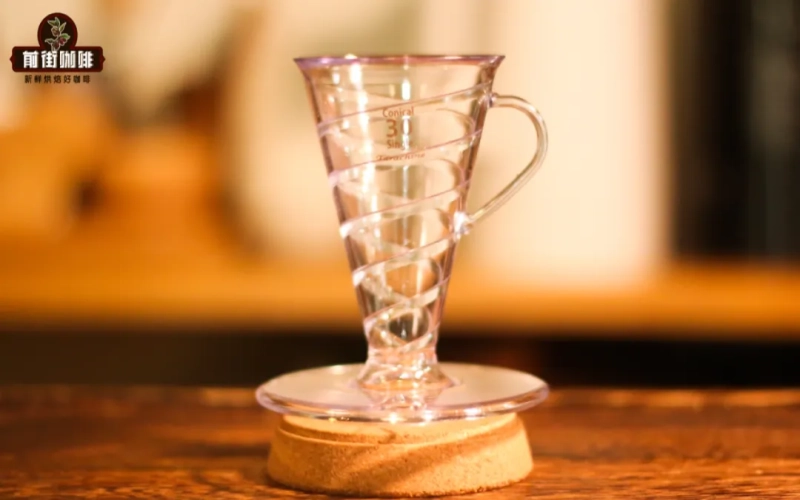
A Full Analysis of the Differences Between V30 and V60 Drippers: The Impact of Cone Angle Design on Extraction and the V30 Brewing Method
After sharing V60 small-dose brewing techniques, Front Street Coffee received many reader inquiries about how to use the V30 dripper, and some customers also asked in-store about the differences between the V30 and V60. For this reason, Front Street Coffee deliberately placed these two conical drippers side by side for a horizontal comparison. Although their names and shapes are similar, the V60 and V30 come from two different Japanese companies, Hario and Tarachine Conical, respectively, and because of their different cone-angle designs, their extraction effects are also vastly different. This article will analyze the origin of their names, structural differences, and the impact of coffee bed depth on extraction, and will also introduce the brewing method for the V30 dripper in detail, helping coffee enthusiasts understand the characteristics of these two devices more clearly. [more…]

Yirgacheffe Coffee Beans | What Are the Coffee Processing Methods for Natural and Washed? How Do the Flavors of Yirgacheffe Differ After Brewing with Different Processing Methods?
When buying coffee beans, aside from paying attention to origin and flavor, we also choose coffee beans that have undergone different processing methods. This is because different processing methods bring out different flavor characteristics in coffee; even coffee from the same origin, when processed by washed and natural methods respectively, will display different mouthfeels. For example, on the Front Street Coffee menu, [more…]
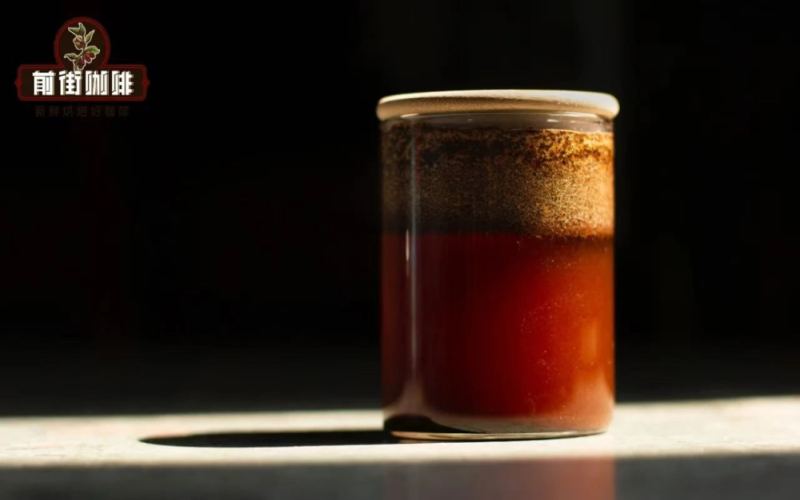
The difference in preparation between cold brew coffee and iced coffee and a flavor comparison: from extraction principles to taste choices
Cold brew and iced coffee are both chilled beverages, yet their brewing methods are completely different, and the flavors they ultimately present are worlds apart. Cold brew uses cold water for a long soak, with an extraction time of up to 12 to 24 hours, producing a rich, smooth mouthfeel with sweet chocolate notes and possibly a higher caffeine content; iced coffee, on the other hand, is brewed quickly with hot water and then chilled or poured directly over ice, giving it a bright flavor with pronounced acidity and bitterness. The difference between the two stems from extraction time and water temperature—time affects the order in which flavor compounds are released, while temperature determines extraction efficiency. Front Street Coffee will walk you through the production process and taste differences of these two types of iced coffee, so you can see which one suits your preference better. [more…]
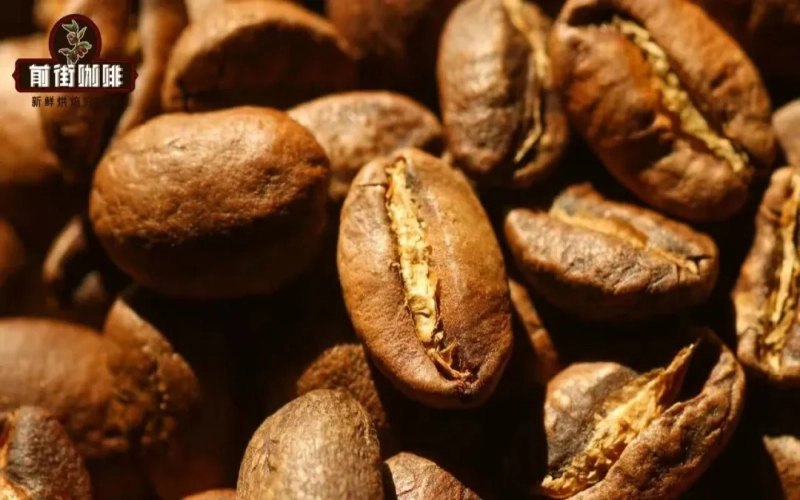
Flavor Differences Between Ethiopian Geisha and Panamanian Geisha: Same Name, Different Variety—Why the Huge Gap in Price and Taste
Geisha coffee varies significantly in flavor and price depending on its origin and processing method. Among them, Ethiopian Geisha and Panamanian Geisha often spark lively discussion among coffee enthusiasts due to their stark differences in price and taste. Although the two share the name "Geisha," they are actually entirely different varieties. Panamanian Geisha originated from the Geisha forest in Ethiopia, was discovered by Hacienda La Esmeralda, and won the 2004 BOP competition, known for its white floral notes, citrus fruit character, and green tea-like quality, with the designation T2722; Ethiopian Geisha, on the other hand, tends to have a rich, juicy mouthfeel and is genetically more distantly related to Panamanian Geisha, making it something of a distant relative. This article will outline the origins and flavor differences of the two, and recommend several high-value Geisha beans from Front Street Coffee for comparative tasting. [more…]
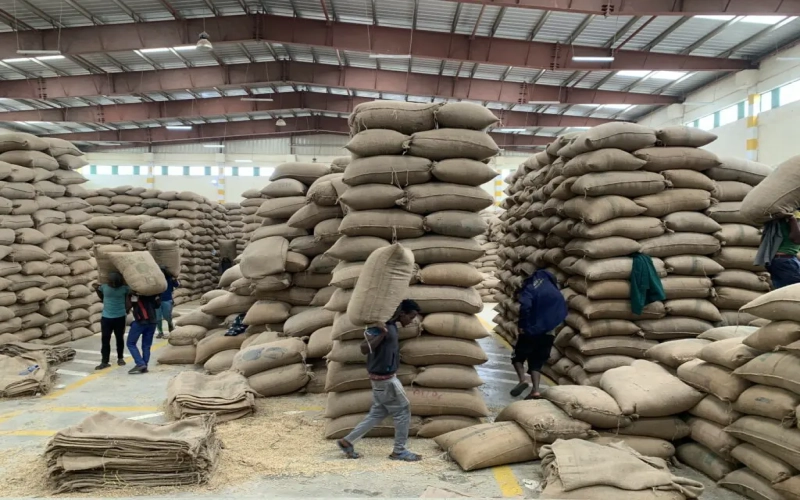
Detailed Explanation of Ethiopian Sidamo Coffee Bean Grading: Classification Standards and Differences Between G1 and G2 Grades
As an agricultural product, coffee beans' quality is influenced by many factors, so a grading system is needed to standardize quality and provide a purchasing reference for green bean buyers. Grading standards vary across producing regions: some are based on altitude, others on bean size, while Ethiopia uses a combination of defect rate and cupping. This article will provide an in-depth analysis of the meaning of the G1 and G2 grades for Ethiopian Sidamo coffee beans, explore the evolution of its grading system, and, through a comparison of Yirgacheffe G1 and G2—from appearance and roasting to cupping flavor—reveal the practical impact of grade differences on coffee quality. At the same time, Front Street Coffee's brewing recommendations will also provide you with useful reference. [more…]

A Complete Guide to Hacienda La Esmeralda Geisha Grades: What Exactly Is the Difference Between Red Label and Green Label, and Is the Doubled Price Worth It?
After Hacienda La Esmeralda rocketed Geisha to fame, it established a refined grading system, in which Red Label and Green Label are the two grades most frequently mentioned by consumers. Both are sold at Front Street Coffee's physical stores and online Taobao/Tmall shops, yet their prices differ by more than double, which leaves many coffee lovers puzzled: since both are Geisha produced by Hacienda La Esmeralda, what exactly is the difference between Green Label and Red Label? This article will systematically sort out the core differences between Red Label and Green Label across multiple dimensions—grading standards, growing altitude, traceability information, cupping scores, processing methods, and actual brewed flavor performance—and, combined with Front Street Coffee's actual brewing comparisons, help everyone understand the subtle differences in flavor between the two, as well as why Green Label is often regarded as Hacienda La Esmeralda's most cost-effective Geisha choice at present. [more…]

Black Coffee Bean Varieties | What's the Difference Between Single-Origin Pour-Over Beans and Espresso Blend Beans? Can Espresso Blend Coffee Beans Be Used for Pour-Over Black Coffee?
With the development of specialty coffee, more and more people are falling in love with single-origin coffee. Two types of coffee have emerged on the market: single-origin coffee beans and blended coffee beans. Single-origin coffee beans are generally used for making pour-over coffee, though many specialty coffee shops also use single-origin coffee beans to make espresso. Blended coffee beans [more…]